Doors and windows that stick
When a door that closed fine for years starts rubbing at the top, the frame has usually gone out of square because one side of the house dropped. I check which side before anyone talks about lifting.
Doors sticking, floors sloping or cracks opening up? We find why your house moved, then lift it only as far as the house can take.
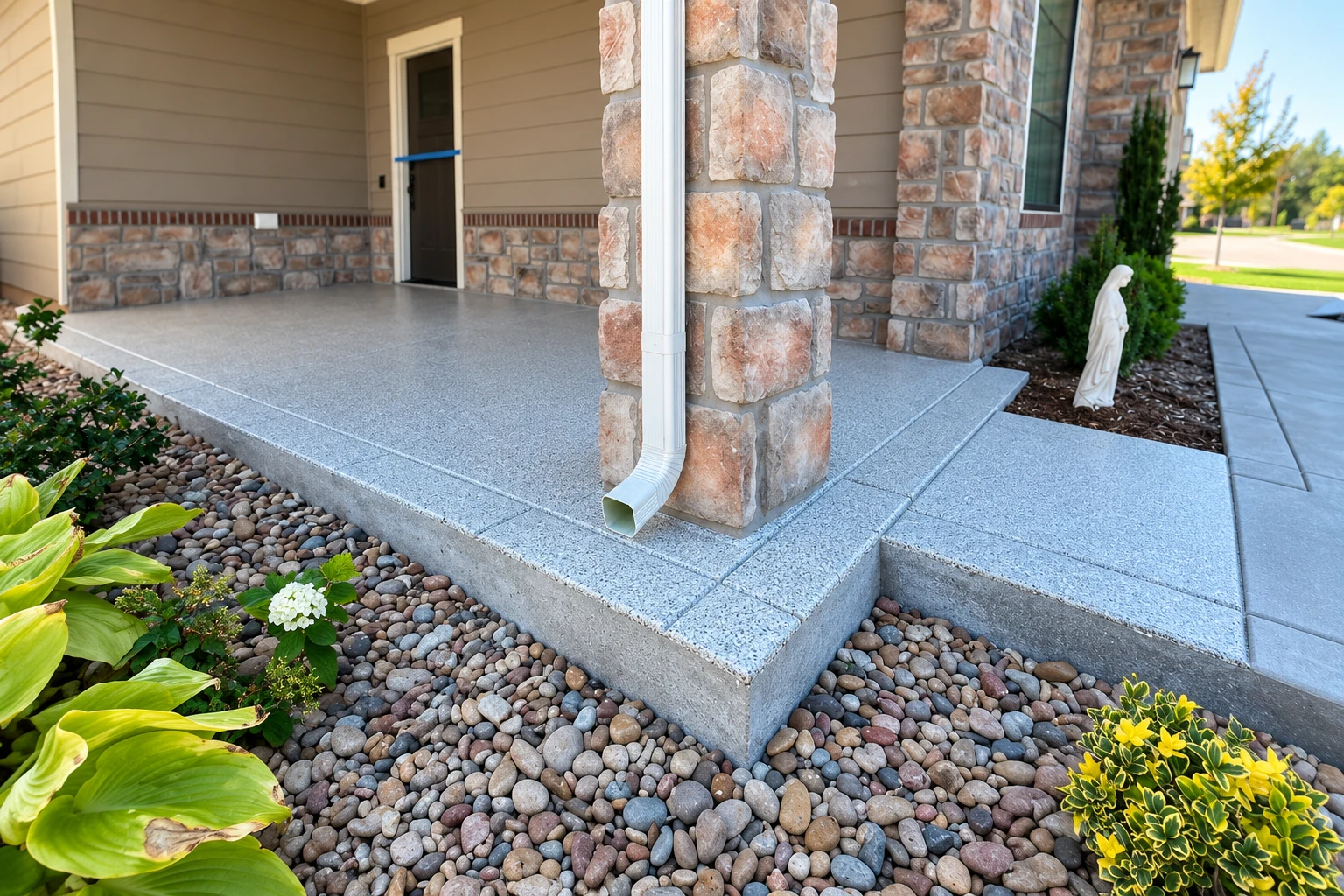
Foundation raising in Chino Hills brings a settled house back closer to level. On a pier and beam home, the kind with a raised floor over a crawl space, we shim or replace the piers underneath. On a slab home, we lift the slab on piers driven down to soil that can carry the weight. It's the repair for doors that stick and floors that slope because the ground under the house moved.
The honest part first. Not every crack means a house needs lifting, and some houses need drainage work or a plumbing repair before a lift makes sense. What moves the price most is your foundation type, how many piers it takes, whether it's one corner or the whole house, and what dealing with the cause involves.
The schedule turns on the same things, since a slab home usually takes longer than a pier and beam home and every added pier adds time. Your written estimate gives you your own figure and what it covers.
I come out, look at your house and write the estimate myself. Then a crew lead and our crew do the work, and I stop by to check it matches what we wrote.
I started out writing up concrete jobs for homeowners, then joined the crew to learn the work by hand. That's why my quotes read the way the job actually goes.
We're based in Chino Hills and work in the cities around it, including Chino, Diamond Bar, Yorba Linda and Eastvale. If you don't see your city listed, call and ask.
I start with why the house moved, because if the cause is still there, lifting it only buys time. A house that shifts a little more every season usually has something active under it, like water draining the wrong way, clay soil that swells and shrinks, a leaking supply line or soil washing out, so the plan I write covers the cause along with the lift.
On a slab home, our crew digs along the outside of the house, drives piers down to soil that can hold the weight, then lifts the slab on them. On a pier and beam home, we work from the crawl space, shimming or replacing piers to bring the floor back up. Either way we aim for a careful partial lift instead of dead level, because pushing a house flat can crack tile, plaster and plumbing in rooms that were fine before we got there.
Piers sometimes have to go where a walk, patio or driveway sits, so we use concrete cutting to open a clean section instead of breaking out more than the job needs. If the settling has wrecked the driveway too, our concrete driveway building work can replace it once the house is stable. We backfill the digging and clean up before we leave.
When a door that closed fine for years starts rubbing at the top, the frame has usually gone out of square because one side of the house dropped. I check which side before anyone talks about lifting.
A ball that rolls across the kitchen or a springy spot in the hall can mean a sunken slab, or a pier under a raised floor that has settled or given out.
Diagonal cracks over doors, split floor tile and stair-step cracks in brick often follow movement below. Concrete cracks on its own too, so I read the pattern to see whether the house actually moved.
Sometimes only one corner has gone down, which is a smaller job than the whole house. A slab corner takes more work than a pier and beam corner, since several piers go in under it.
Send the form and we'll get back to you within one business day to set a time. I come out, look at the house myself and write the estimate, free and with no obligation.
Your estimate comes in writing with what's included and what isn't, so you can see whether drainage work, piers and concrete repair are in the price before you sign.
If you have an engineer's report, have it ready when I come out. One cost guide suggests getting that report first and three bids against it, so every contractor prices the same findings.
We carry insurance, and our work is backed by our satisfaction guarantee, which matters on a job where a crew is digging and lifting around your house.
These example photos show slab edges, pier setups and patched concrete, the kinds of details worth talking over at your estimate.
Straight answers to what Chino Hills homeowners ask most about cost, timing, permits and licenses before a house gets lifted.
House leveling across the US usually costs about $3,500 to $30,000 per job, and that's a national range, not our price. Slab homes, more piers and a whole-house lift push it higher, and one corner is a smaller job. Whatever the cause needs, like drainage or a plumbing fix, adds to it, and your written estimate gives your own number.
Usually a few days to about a week, and most owners can stay home the whole time. One cost guide puts pier and beam shimming at about one to three days and slab underpinning, where piers go in under the slab, at about three to seven, with the pier count setting the pace. Slab work is noisy, though, and means digging around the outside of the house.
The city's Building and Safety Division issues building and grading permits, and it's the office to ask if you're not sure your job needs one. The city's residential code covers repairing, altering and moving one and two family homes, and the division does plan review and field inspections once a permit is active. When one's needed, we handle the application and set up the inspections.
In California, the C-21 building moving class from the Contractors State License Board covers contractors who raise, lower, underpin and move structures, including their foundations, but not repairs to the parts of the house that stay in place. The city tells residents to do their homework when hiring and points them to the board. We're licensed and insured, and you're welcome to check us.
Usually not with the slab in one piece, because federal guidance calls that technically hard and often not feasible. Raising a whole house off its foundation onto jacks and temporary supports while a new one goes in works well on crawlspace, basement and open foundations. The same guidance says it can make a home more prone to earthquake damage, so ask about that.
Call (909) 308-0181 or use the form, tell us if it's a slab or a raised floor and what you've noticed, and I'll come ready.