New lots on open ground
Bare ground takes the most planning, because the digging, packing or soil treatment comes before any concrete does. We price that groundwork plainly so you can see where your money goes.
Cracked, sinking or puddled paving where people park? We get the ground right first, so your concrete lot can serve for years with little upkeep.
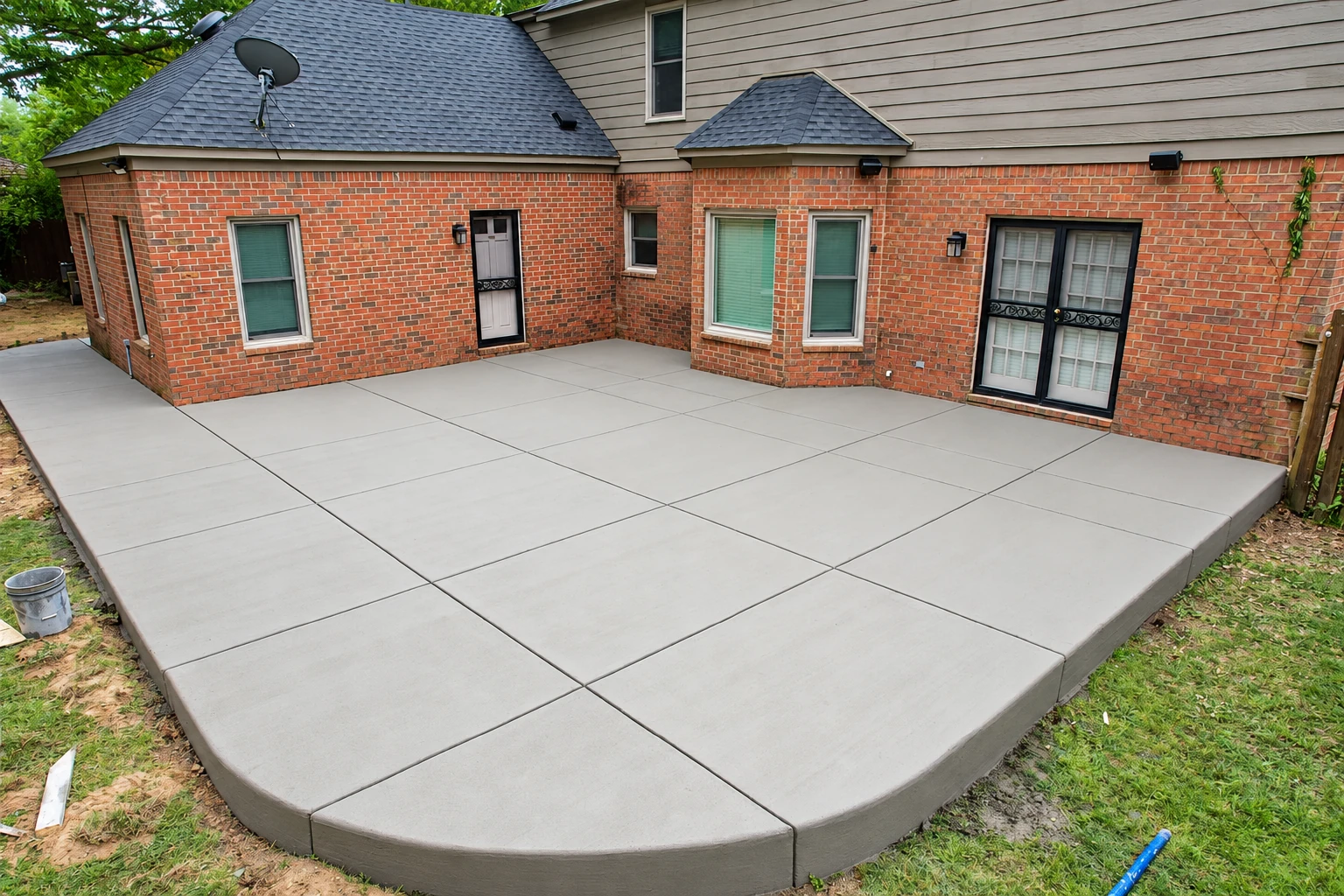
Concrete parking lot building in Chino Hills means preparing the ground, then forming, pouring and finishing pavement for cars and foot traffic. A lot designed and built that way can give many years of service with little maintenance.
Most calls start with paving that's cracked, sunk in spots or holding water, or with bare ground that needs a lot before a business opens. Concrete cracks, and I'll tell you that up front. What we control is where it cracks and how well the ground under it holds up, and that's most of the job, whether the lot is here in Chino Hills or in one of the cities around it.
Price comes down to the lot's size, how much work the ground needs before we pour, and choices like wire mesh and joint layout. The schedule turns on the city more than on our crew, because new construction goes through approvals and plan review first, and then the concrete needs time to cure, which is the wait before cars go on it while it gains strength. If your lot needs a permit from the city's Building and Safety Division, we handle the application and set up the inspections, and if we're not sure, we check with that office before we start.
I come out and write every estimate myself, in writing, with what's included and what isn't. You know what you're paying for before you sign, groundwork and all.
The state licensing board counts pavement and flat concrete as concrete contractor work, so that's the license to ask about. We're licensed and insured, and the work is backed by our satisfaction guarantee.
Concrete cracks, slabs move, and some lots need more groundwork than owners expect. I'd rather tell you that at the estimate than have it come up halfway through the job.
The part of a lot that matters most is the part nobody sees on day one, the subgrade, which is the ground the slab sits on. When budgets get tight, people want to cut groundwork first and keep the finish, and I push the other way, because a clean broom finish, the light texture that gives tires and shoes grip, can't save a slab sitting on loose dirt. We dig out, pack the base and check where the water will run before any concrete shows up, so the lot sheds water away from buildings instead of toward them.
Early on, I'll ask whether you plan to keep up the joint sealant, the flexible filler in the joints, because your answer changes how we lay out the control joints. Those are the grooves we cut so the slab cracks along a line we picked instead of wherever it wants, and one industry guide advises keeping them closer together when an owner won't maintain the sealant. We cut them on time, since late or skipped joints are how you end up with cracks in places nobody chose.
I'll also be straight about wire mesh before you pay for it, and the questions below cover what it does and doesn't do. Lots often tie into other work, so we also pour concrete footings for light poles and low walls at the edge of the paving, and we handle foundation raising when a building beside the lot has settled and needs lifting before we pave up to it.
Bare ground takes the most planning, because the digging, packing or soil treatment comes before any concrete does. We price that groundwork plainly so you can see where your money goes.
When old paving has cracked, sunk or holds water, we tear it out and look at why before pouring again, because a new slab on the same tired ground tends to fail the same way.
Lots for offices, shops and churches mostly see cars, not heavy trucks. We plan the ground and the slab around what actually parks there, so you aren't paying for traffic you'll never get.
California's building code calls for barrier-free design in the site work it covers, and alterations follow the same rules as new work unless the code says otherwise, so we plan for it early.
Send the form and we'll get back to you within one business day to set a time. I come out, look at the lot and give you a free written estimate, with no obligation to book.
The person pricing your lot is the one who walked it, saw the ground and watched where the water goes. That's how the estimate ends up matching the job we actually build.
A crew lead and our crew do the digging, forming and pouring, and I stop by while it's going, so the plan you agreed to is the one that gets built.
The lot's rough size, the site address and any Soils and Geology Report you already have. Those let me give you a closer estimate on the first visit instead of a second one.
Look through example finishes, joint layouts and slab work, then tell us at the estimate which textures, borders or layouts fit your lot.
Plain answers to what property owners usually ask before paving a concrete parking lot in Chino Hills.
Installed concrete slab work in California usually costs about $10 to $20 per square foot, labor and materials included. That's statewide pricing for slab work in general, not our price. Your lot's size, the groundwork the soil needs and choices like mesh and joint layout decide where you land, and I spell all of that out in your written estimate.
Not always. A light-traffic lot can skip a subbase, the layer of material between the ground and the slab, when the prepared ground can carry construction equipment and isn't highly expansive. If it can't, the soil can be treated with cement, fly ash or lime, or swapped for better soil, and that groundwork shows up in your estimate.
No. One concrete industry guide says welded wire mesh adds no structural strength, and it only keeps cracks tight when it's placed correctly in the slab, which the guide says rarely happens. If you want mesh for crack control, ask any crew how they'll hold it in place during the pour, and I'll go over it with you before you pay for it.
For new construction, the city wants a Soils and Geology Report and Planning Commission approval before plans go in, and plans are submitted by appointment at the Community Development Counter. You'll also make separate submittals to the Chino Valley Independent Fire District and San Bernardino Environmental Health. Call Building and Safety at 909-364-2780 for the current submittal requirements.
City plan review in Chino Hills generally takes 15 business days, and larger projects take longer, so build that wait into your schedule before you pick a pour date. When plans go in, the permit technician goes over the requirements and helps gather anything else needed. We set our dates once the city signs off.
We answer into the evening on weekdays and early on weekends, so you can reach us at (909) 308-0181 after your own workday.