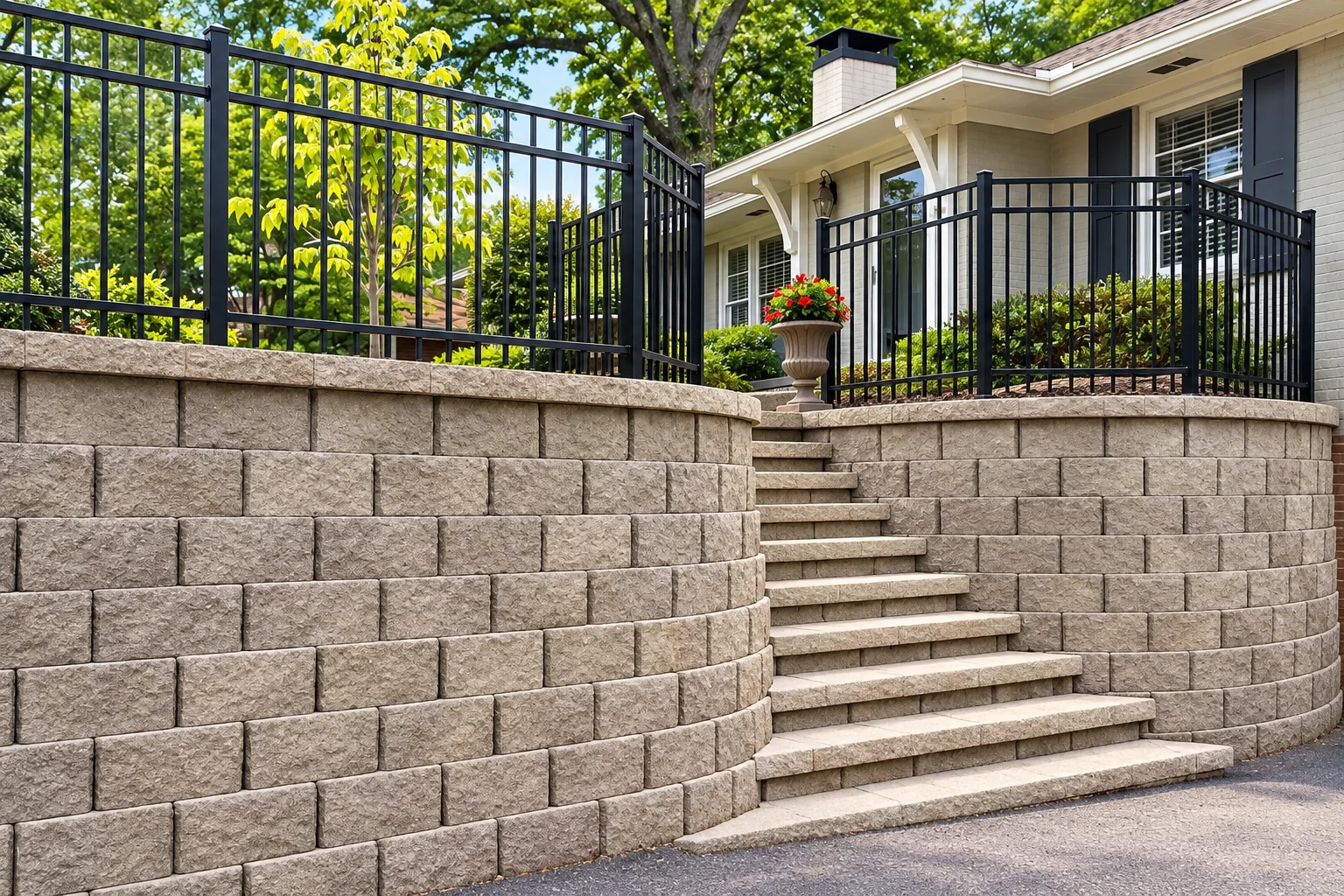
Concrete driveway building
We tear out the old driveway, dig out soft spots, pack the base and pour with the slab falling toward the street, so water runs off instead of pooling by your garage.
Quality Chino Hills Concrete Company is a concrete contractor based in Chino Hills, CA. We pour driveways, patios, walks, steps and retaining walls for West Covina homeowners, on hillside lots and flat streets alike.
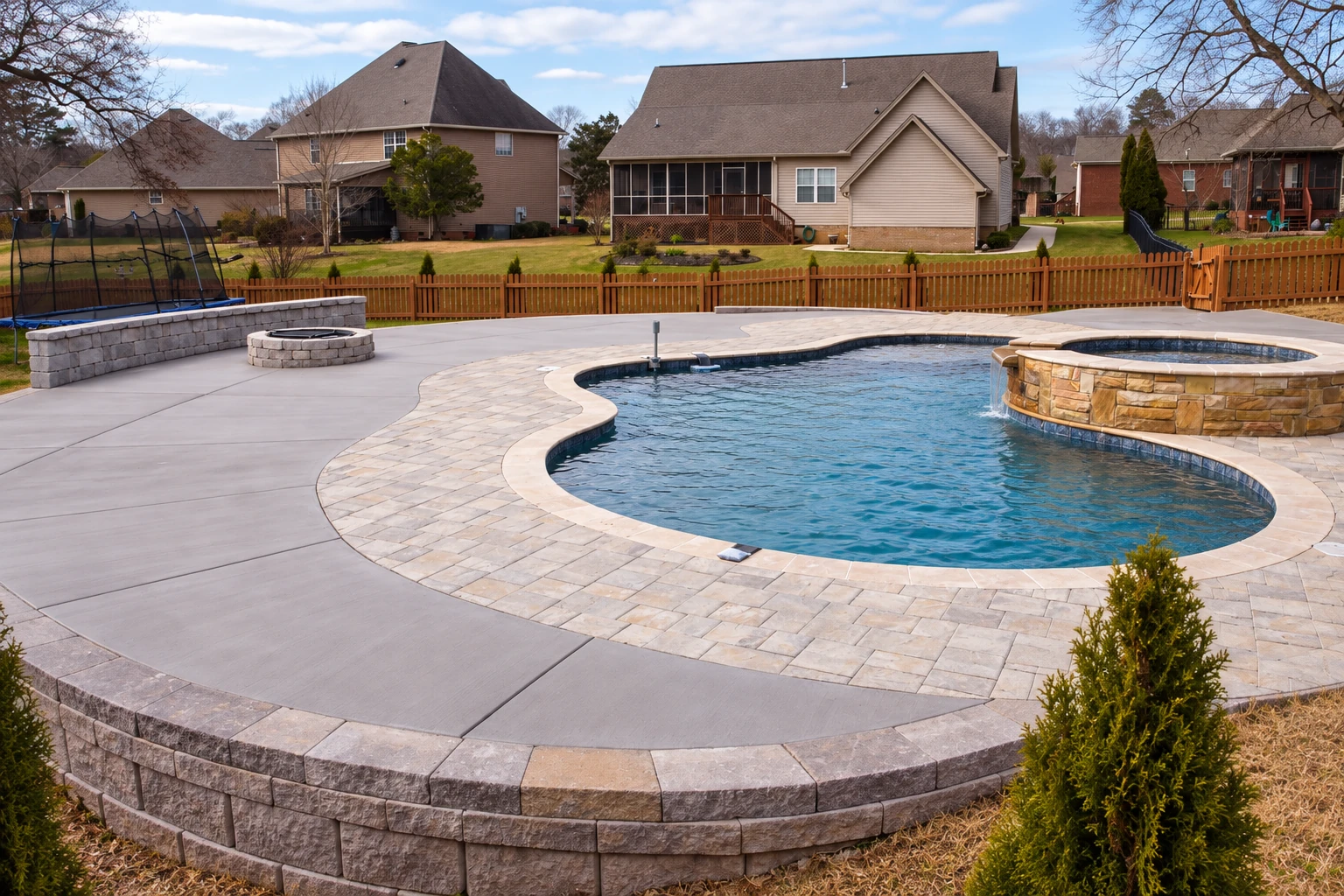
West Covina sits in the San Gabriel Valley, and the lots we see there run from flat valley ground to streets climbing the north slope of the San Jose Hills. Down on the flat lots, the calls are mostly tired driveways, cracked walks and patios where water pools against the house. Up the slope, it's more often retaining walls, steps and slabs that need to drain somewhere other than the garage. We're based in Chino Hills and do the same work in Covina, Diamond Bar and Yorba Linda. Building permits here come from the city's Building Division, which issues them for all private work in West Covina.
Price comes down to size, how much old concrete comes out, how much base work the ground needs and the finish, since stamped or colored work takes more hands than a broom finish, the light texture that keeps a slab from getting slick. Slope adds to it too, because a hillside pour needs more forming and drainage. The schedule turns on curing, the wait while concrete hardens enough to take weight, so you'll be walking on a new driveway a good while before you can park on it. Your written estimate spells out what's included and what isn't.
I'd rather say it up front. Concrete shrinks as it cures, so we cut control joints, shallow grooves across the slab, to give the cracks a straight line to follow.
The base is the part you never see, so it's the first thing people want to trim. We dig out and pack the subgrade, what the slab sits on, because that's what keeps it flat.
When a job needs a permit, we file the application with the city and set up the inspections. If we're not sure it needs one, we check with the city before we start.
We tear out the old driveway, dig out soft spots, pack the base and pour with the slab falling toward the street, so water runs off instead of pooling by your garage.
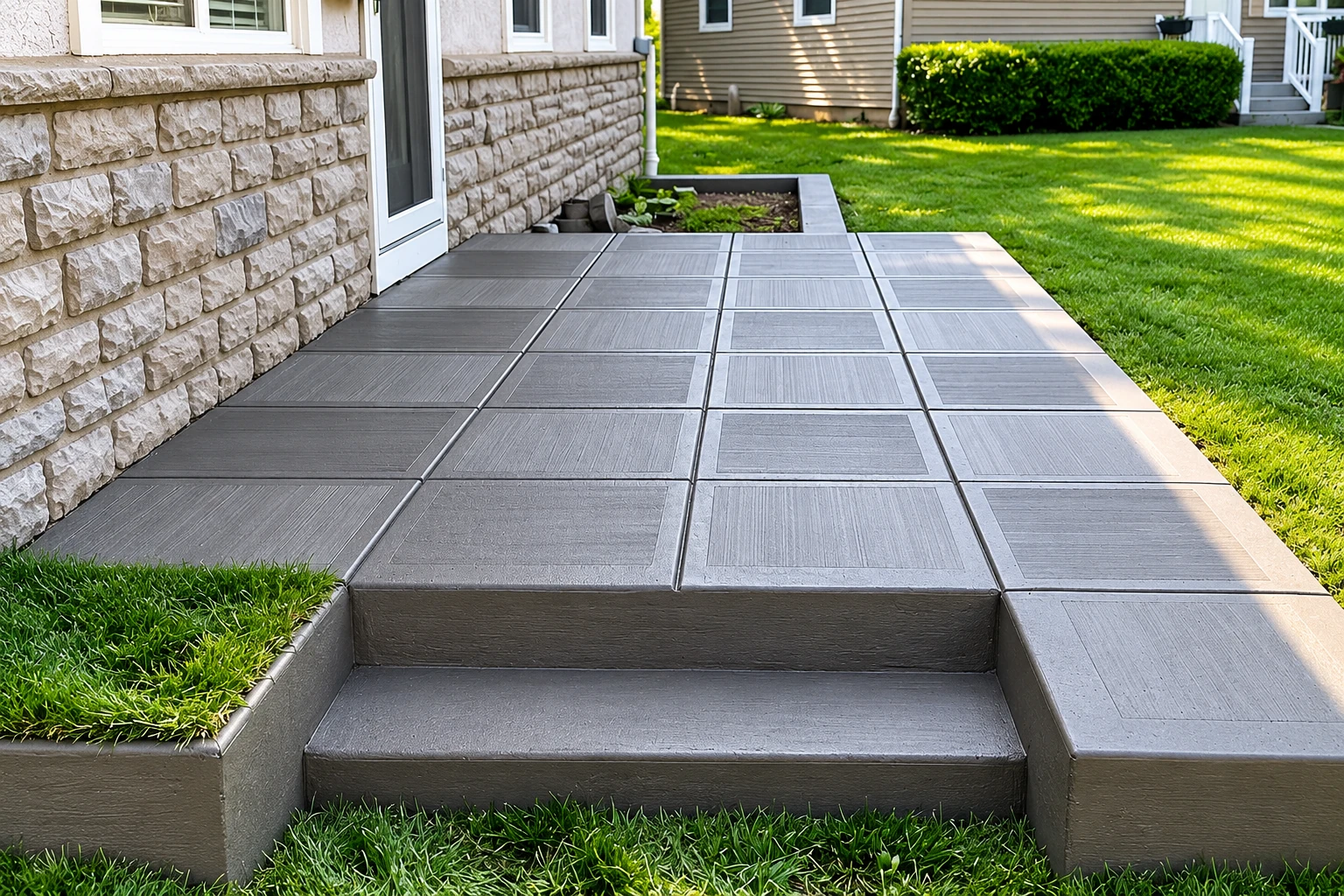
Backyard slabs for a table, grill or shade cover, set to drain away from the house. On hot days we pour early, since midday heat leaves a weak, dusty top.
Pattern and color pressed into fresh concrete so a patio or walk looks like stone or brick. It takes more crew and a tighter pour window, which shows up in the price.
Front walks and paths that have heaved or cracked into trip edges. We take out the bad sections, rebuild the base and pour new panels with joints cut where cracks should go.
We break out cracked, sunken or oil-soaked garage floors and repour them on a packed base, with a smooth finish that's easy to sweep and sized for the cars on it.
Color, saw-cut patterns or exposed aggregate, a top washed back to show the stone, for an entry or patio that should look like more than plain gray concrete.
For yards cut into a slope, we build poured walls with footings, rebar, the steel that holds the wall together, and drainage behind them so water doesn't pile up against the wall.
Interior slabs for additions, workshops and converted spaces, poured flat and level so flooring goes down without a fight. We check the base and moisture barrier before anything gets poured.
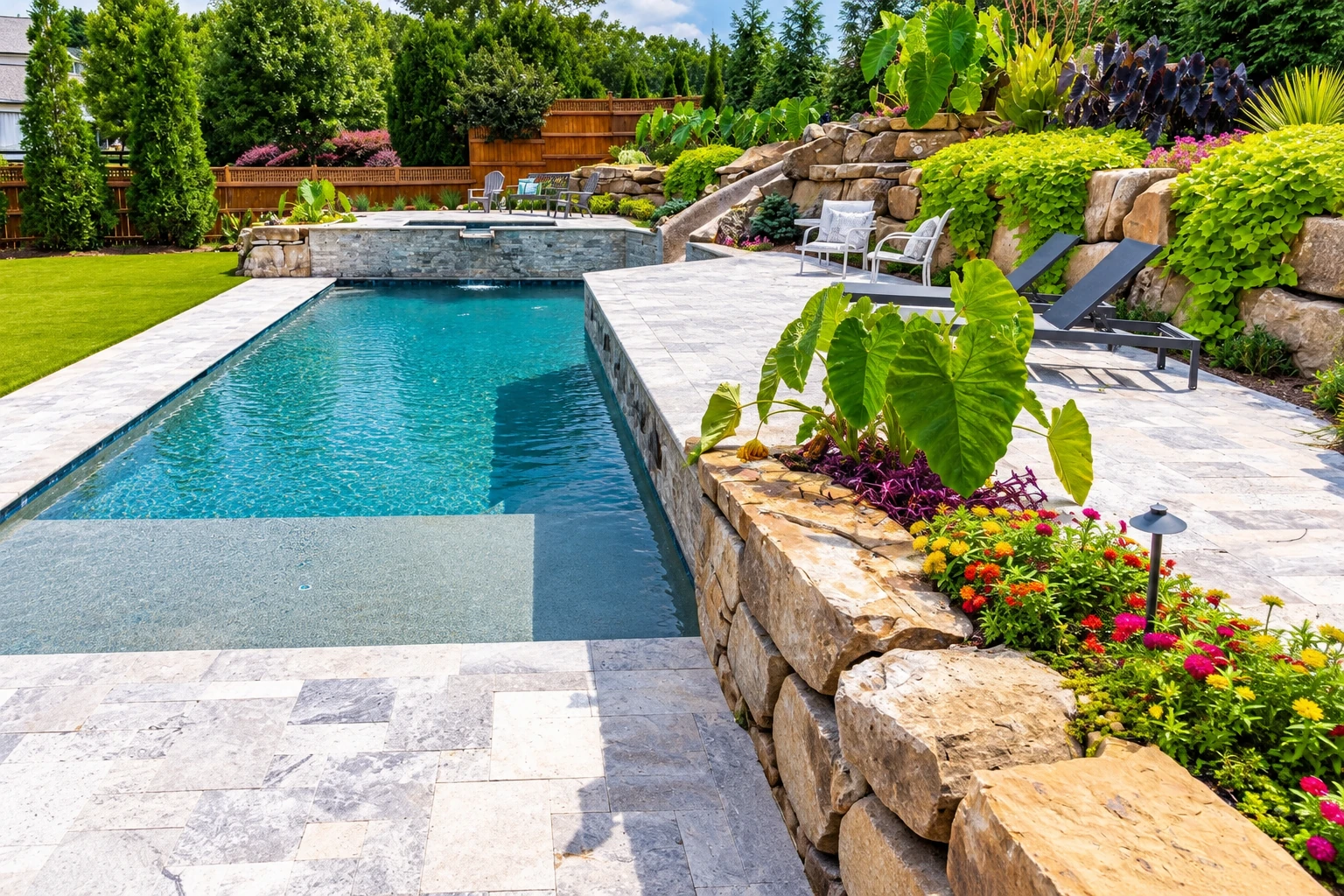
Decks around backyard pools, finished with enough texture for wet feet and sloped so splash water runs to drains, not under the deck or back into the pool.
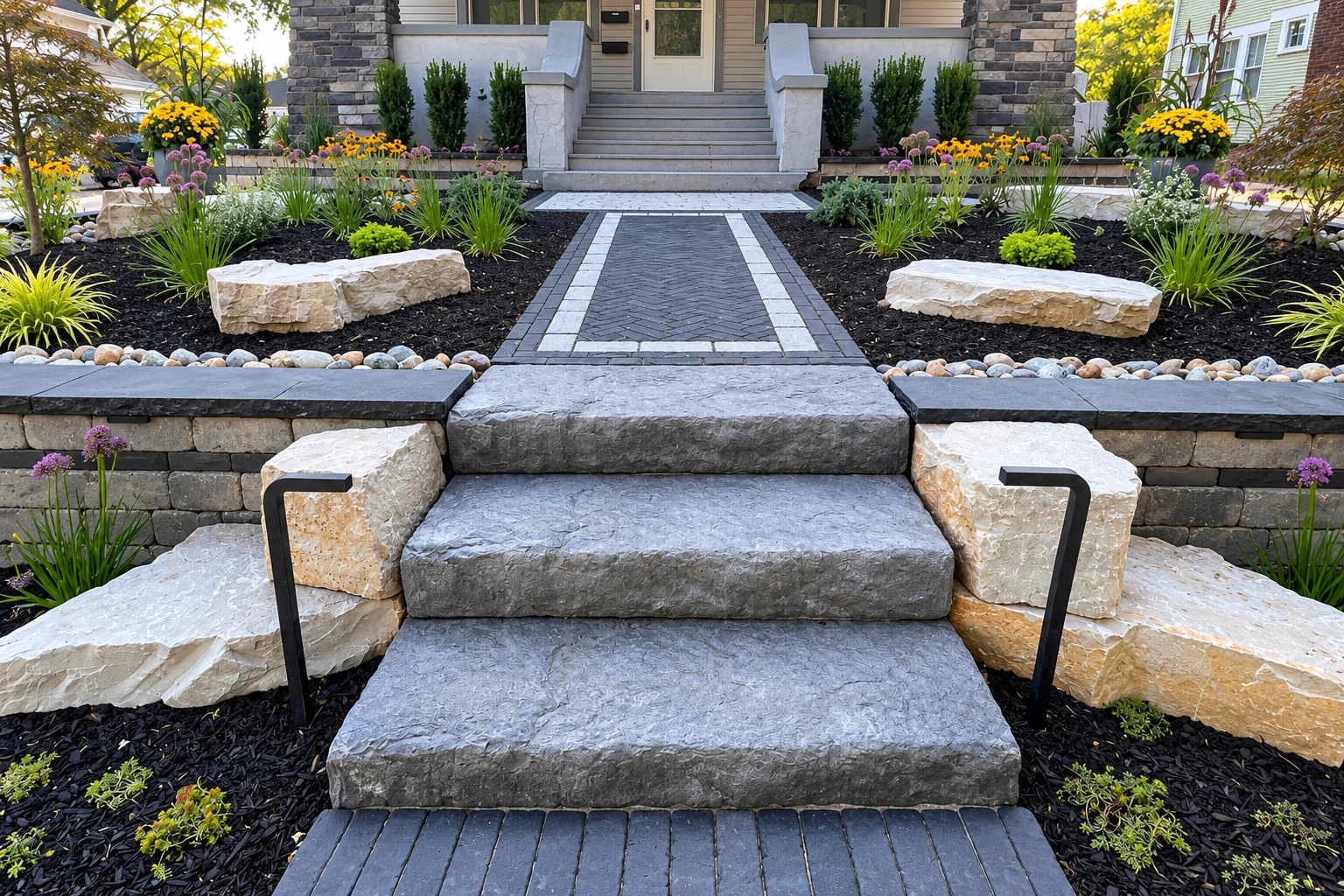
Front steps and yard steps on sloped lots, formed so each step is the same height, since the odd one out is what people trip on. We tie them into the walk.
Slabs for additions, garages and backyard units, poured on a packed base with rebar set to the plans, and inspections lined up when the job needs a permit.
New foundations for additions and rebuilds, dug, formed and poured to the plans. I walk the lot with you first, because slope and soil decide how deep the work goes.
Lots for shops, offices and apartments along busy commercial streets, poured thicker than a home driveway and laid out so water drains off instead of sitting in the stalls.
Footings for patio covers, block walls and additions, dug to the depth the plans call for and checked before the pour, since nobody sees a footing again once it's covered.
When a slab or foundation has sunk and doors stick or floors slope, we look at why first. Raising it only lasts if the soil or water problem underneath gets fixed.
Saw cuts to open a slab for a drain line, widen a driveway or take out one bad section instead of the whole thing. We control dust and slurry while we cut.
Send the form and we'll get back to you within one business day to set a time. I come out, look at the job and write the estimate myself, free and with no obligation.
I look at the slab, the slope and where the water runs before I price anything, because those decide how much base work and drainage the job needs.
If you're replacing concrete, I look at why the old slab cracked or sank, because a new pour on the same soft base usually goes the same way.
Take the estimate and think it over. We're licensed and insured, and our work is backed by our satisfaction guarantee.
Here's what West Covina homeowners usually ask us about permits, Planning approval and city business licenses before a concrete job starts.
The city's list of work that doesn't need a building permit includes driveways and walks that sit no more than 30 inches above grade, have nothing built underneath and aren't part of a wheelchair-accessible route. If yours doesn't fit those limits, or we're not sure it does, we check with the city before we pour and handle the permit when one is needed.
The city exempts walls that hold back 4 feet or less, measured from the bottom of the footing to the top of the wall, unless there's a surcharge, extra weight such as a slope or driveway above it. Any other wall goes through the Building Division's One Stop Building Permit Center or its counter, and we handle that application and the inspections.
Yes. The city says work that skips a building permit can still need Planning Division approval, and in some cases Planning restricts where it goes, how tall it is and what it looks like. Its public counter is at City Hall, (626) 939-8422, and we check with it before we start.
Yes. The city requires any business operating in West Covina, from a sole proprietor to a corporation, to get a city business license within 15 days of starting work there, and the Finance Department handles licensing. It's a fair question to ask anyone you're thinking of hiring.
These are the cities with their own page on our site, and we work in others around Chino Hills too. If yours isn't listed, call and ask.
We take calls on weekends too, so call (909) 308-0181 or send the form when you've got a minute to describe the job.