Under tile, wood or vinyl
Here the slab is the base, not the finish. The flooring you choose decides how flat the surface needs to be and when it can go down, so we plan for it from the start.
Old floor cracked or uneven, or a new room with nothing to build on? We pour a flat slab planned around the floor going on top.
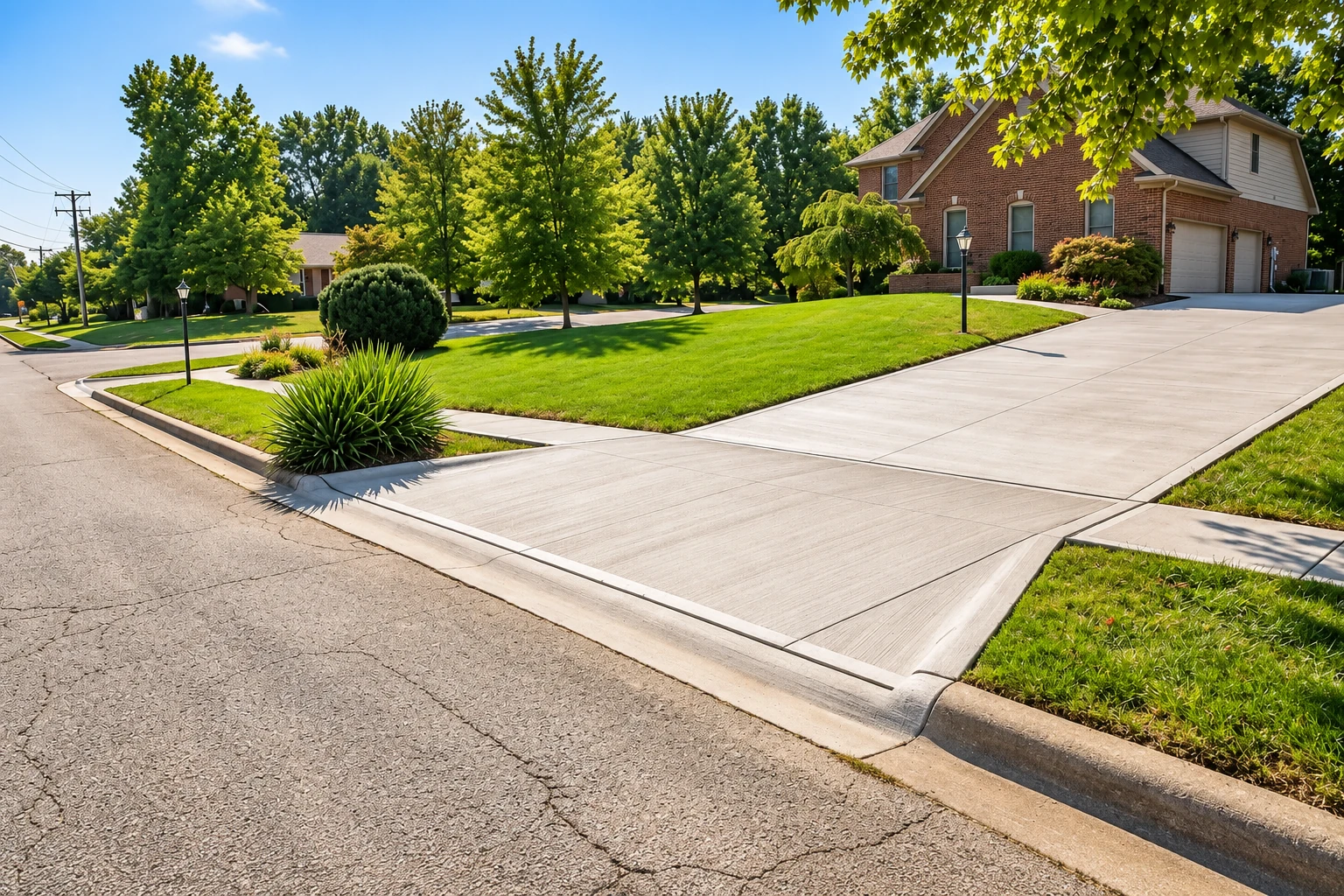
Concrete floor installation in Chino Hills means forming, pouring and finishing a flat slab that becomes the base for a coating, tile, wood or whatever floor you're putting on top. Most of the job happens before the pour, and your finish floor waits until the slab has dried.
Most people who call about a floor have a room going in, an old slab that's cracked or uneven, or flooring already picked out and nothing solid to put it on. The price moves with the size in square feet, how much old concrete has to come out, how much digging and base work the ground needs, how easily a crew and a concrete truck can reach the spot, and whether a moisture barrier goes under it for finished flooring. The schedule turns on that same base work, the weather on pour day, any permit the job needs and the drying time before your floor goes down. I come out, look at it and write the estimate myself, so you get it in writing with what's included and what isn't.
We're based in Chino Hills and work in the cities around it, and we're licensed and insured. If you don't see your city listed, call and ask. When a floor needs a permit, we handle the application with the local building office and set up the inspections, and if we're not sure, we check with that office before we start.
You get the estimate in writing, with what's included and what isn't spelled out. I started out writing up quotes for homeowners, so I know which lines people end up asking about later.
I come out to see the space and write the estimate myself. A crew lead and our crew do the work, and I stop by while it's going so nothing we agreed on gets missed.
Concrete cracks, slabs move, and some floors need more base work than people expect. I'd rather tell you that at the estimate than have it come up halfway through the job.
The part that decides how your floor holds up is the part you'll never see. We dig out and pack the subgrade, the ground and base the slab sits on, because a base that's only raked smooth settles with the dirt and takes the floor down with it. When a budget gets tight, that's the first place people want to cut, and it's the one place I'll push back, since a nice finish on a loose base is still a floor that sinks.
If flooring is going on top, we plan the moisture barrier and the joint layout around it before we pour. Control joints are the cuts that give the slab a straight line to crack along instead of a random one, so we place them to work with your flooring and get them cut on time. We pour early in the day when we can, because midday heat can leave a weak, dusty top. And I'll tell you to let the slab dry before the floor goes down, even if you're in a hurry.
It's the same base and joint work that goes into our concrete pool decks and concrete steps. When a new floor meets a step down to the yard or a deck outside, we can plan them together so the levels line up.
Here the slab is the base, not the finish. The flooring you choose decides how flat the surface needs to be and when it can go down, so we plan for it from the start.
Some people want the concrete itself as the floor, with a protective coating over it. Then the surface matters more, so we talk through how smooth you want it and how you'll use the room.
A new space needs a slab before anything else goes in. Additions and outbuildings can involve a permit, so we sort that out with the building office before the pour gets scheduled.
When an old floor has sunk or broken up, the problem is usually underneath it. We take out the old concrete, fix the base and pour new, instead of covering the damage.
Send the form and we'll get back to you within one business day to set a time. I come out, measure and look at the base, then give you a free written estimate with no obligation to book.
A rough square footage and the floor you plan to put on top let us talk real numbers on the first call. A guess on size is fine, since I measure again on site.
If something on the estimate doesn't make sense, ask. I'd rather walk you through it at your kitchen table than have you guess what you're paying for.
That's the promise on every job we take. If something about your floor doesn't sit right with you, call me and we'll go over it together.
These photos show the kinds of slab finishes, textures and layouts we can talk through at your estimate, from smooth floors to coated surfaces.
Straight answers to what people ask before they hire anyone to pour a floor, including cost, cracks, moisture and permits in Chino Hills.
An installed 4-inch concrete slab in the Inland Empire usually costs about $10 to $14 per square foot. That's the going rate around here for the slab itself, not our price, and it doesn't cover the flooring you put on top. Your own number comes on the written estimate after I've seen the space.
Probably somewhere, because no one can keep concrete from cracking entirely. Well-planned joints control where cracks go and keep them small, so when you compare bids, ask about the joint plan instead of trusting a promise of a crack-free floor. Saw-cut joints should go in within 4 to 12 hours after the slab is finished, so we'll need access to the site then.
Not until the moisture inside the slab has dropped to an acceptable level, so plan the floor for after it dries, not the days right after the pour. Ask how the slab will be checked before the floor goes in. Typical limits use different measures, such as the humidity inside the slab or its moisture content.
A vapor retarder, a moisture layer laid below the slab, and where it sits matters. A national concrete floor guide says flooring and coatings get the most protection when it's in direct contact with the slab, and that the ordinary polyethylene sheeting used in the past shouldn't be considered. If you're putting a floor on top, ask any bidder where theirs goes.
Ask the Chino Hills Building and Safety Division, which issues the city's grading and building permits, at (909) 364-2780. On jobs with an active permit, the division also does plan review and field inspections. When your floor needs one, we handle the application and set up the inspections, and if we're not sure, we check with the division before we start.
Only for minor work up to $1,000, and only when the job needs no permit and that person has nobody working for them on it. Past that, you want a licensed contractor. In California, the C-8 concrete contractor license covers forming, pouring, placing and finishing flat concrete, so ask anyone bidding on your floor for theirs.
The earlier your slab goes in, the more drying time it gets before the flooring goes down. Call (909) 308-0181 or use the form.