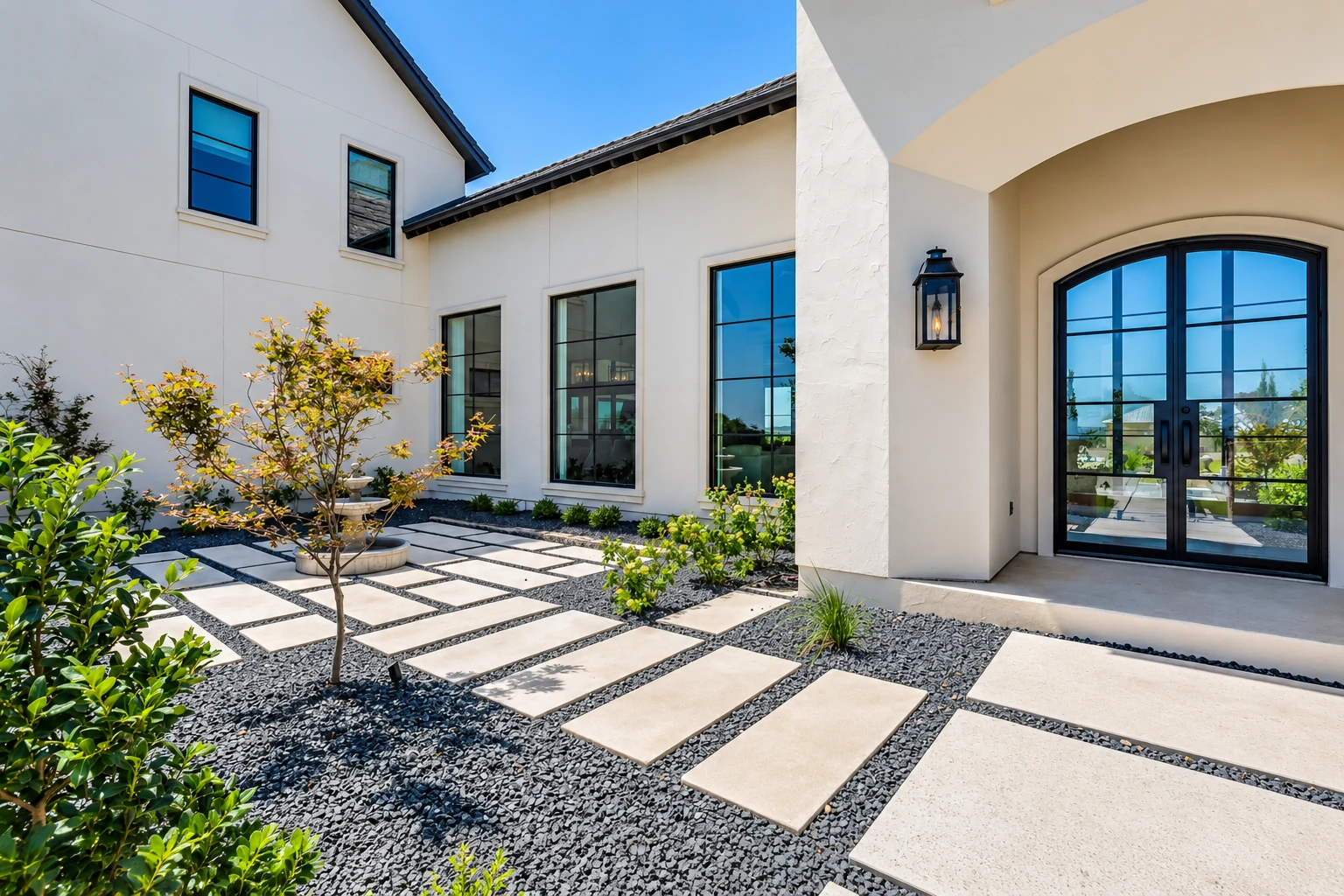
Concrete driveway building
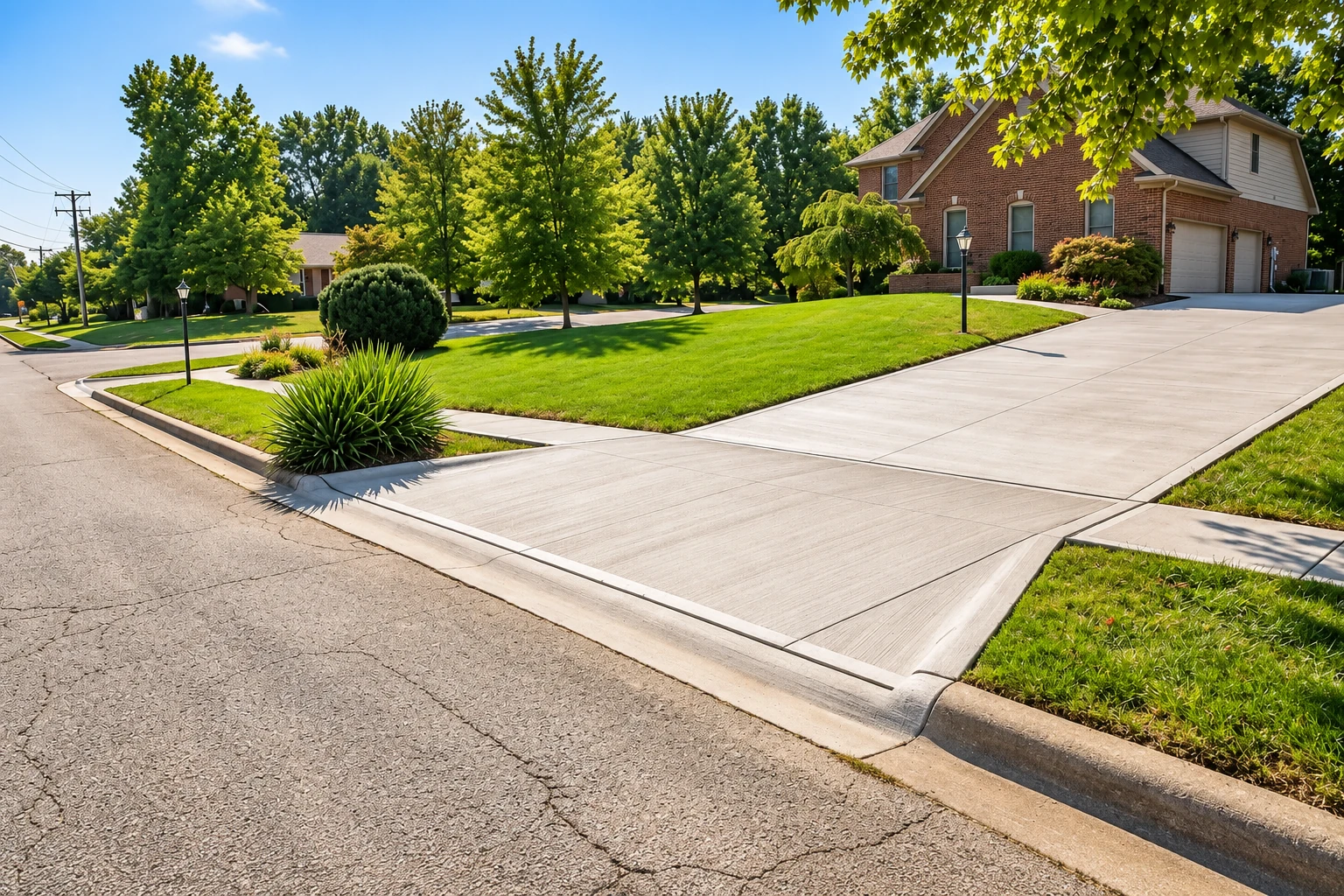
On the steep driveways we see here, we dig out the old slab, pack a solid base and give it a broom finish, a light brushed texture, so tires and shoes grip.
Quality Chino Hills Concrete Company is a concrete contractor based in Chino Hills, and in Diamond Bar we pour driveways, patios, steps and retaining walls for the sloped lots and older slabs we see across the city.
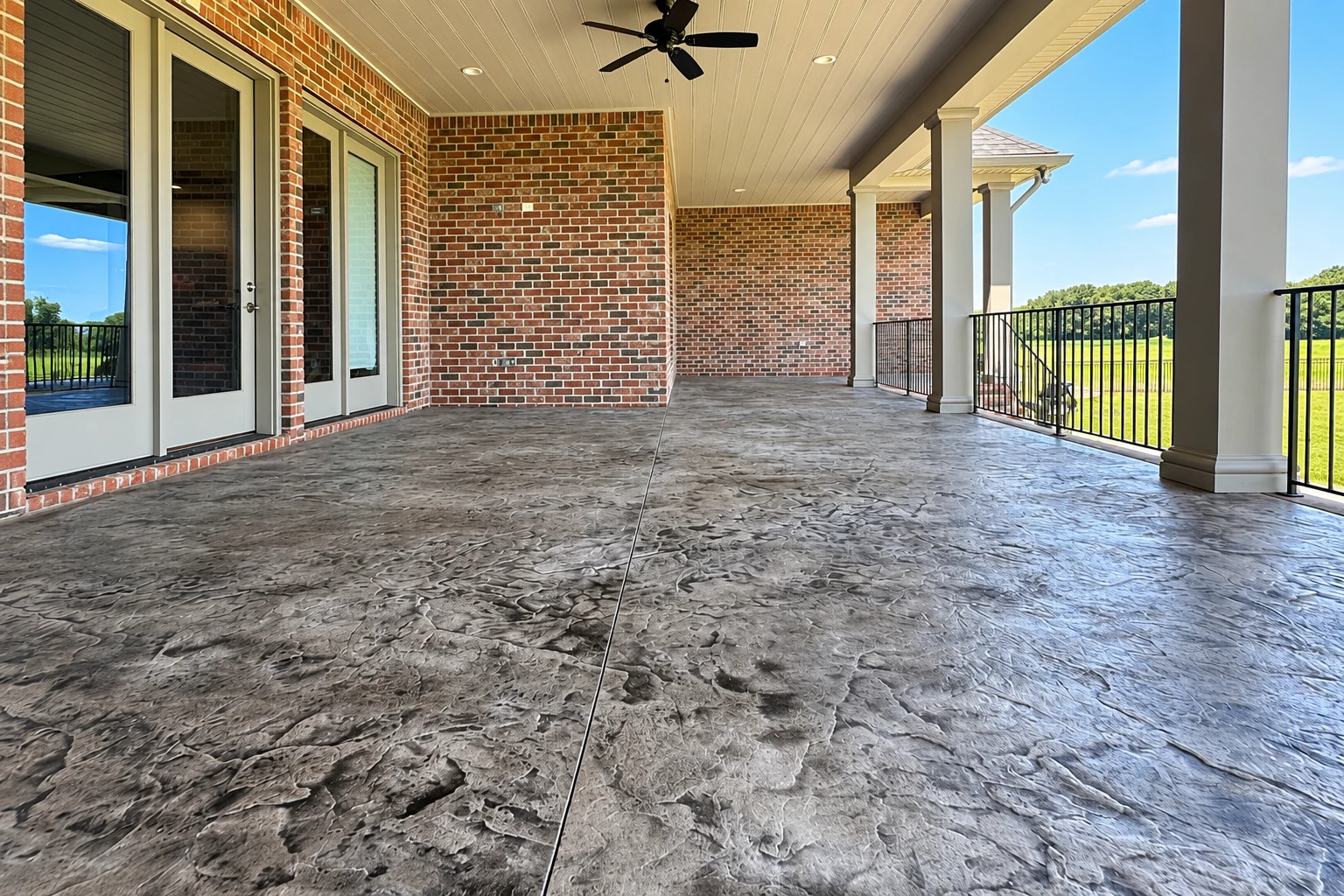
Diamond Bar sits right next to us in Chino Hills, and the work there has the same hillside feel. A lot of driveways climb steeply from the street, and back yards drop in levels held up by walls. Many of the calls are about an older slab that's cracked, sunk on one side or holding water by the garage. We see flatter lots too, more like the ones we pour over in Pomona.
What moves the price here is mostly the ground. The slope, how much old concrete has to come out, how deep we dig for the base and whether the yard needs a wall all count, and finishes like stamping or color add on top. The schedule turns on curing, the wait while fresh concrete gains strength before you use it, which is shorter for walking than for driving, plus any permit the job needs. Your own numbers come in the written estimate.
Permits here come from the city's Building and Safety Division, and when your job needs one, we handle the application and set up the inspections.
The base is what the slab sits on, and nobody sees it on day one. If the budget gets tight, I'd cut a fancy finish before the digging and packing underneath.
Every slab cracks somewhere as it shrinks. We cut control joints, shallow grooves in the surface, early enough that the cracks usually follow those lines instead of wandering across your driveway.
On a sloped lot, water wants to run somewhere, and the wrong slab sends it at your garage or foundation. We check where it drains before we set the forms.
On the steep driveways we see here, we dig out the old slab, pack a solid base and give it a broom finish, a light brushed texture, so tires and shoes grip.
Back yards here often step down in levels, so we set each patio's slope to carry water away from the house and toward the yard or a drain.
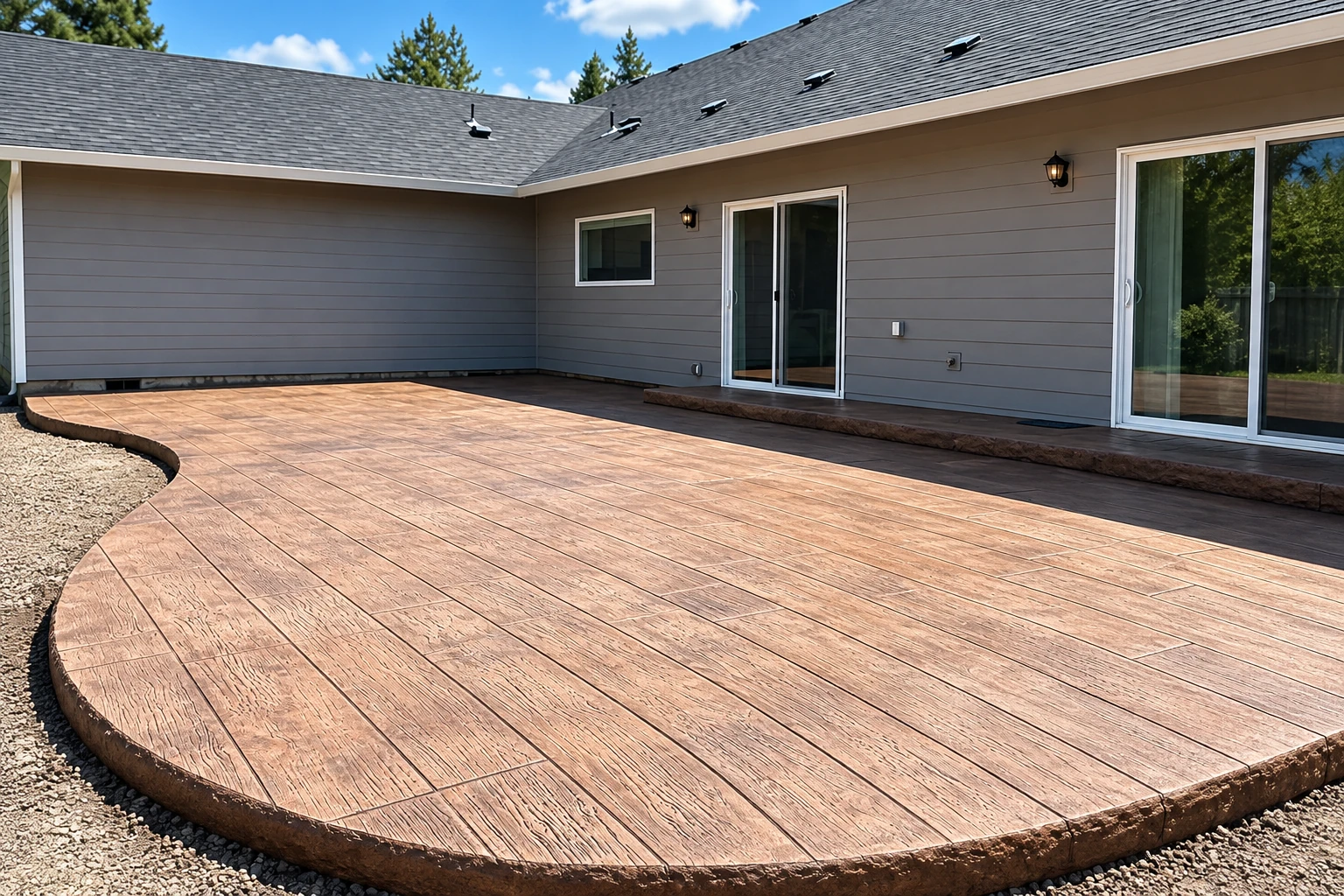
Stamped concrete gives a patio the look of stone or brick. It costs more than a plain finish, and we'll tell you if the money is better spent on the base.
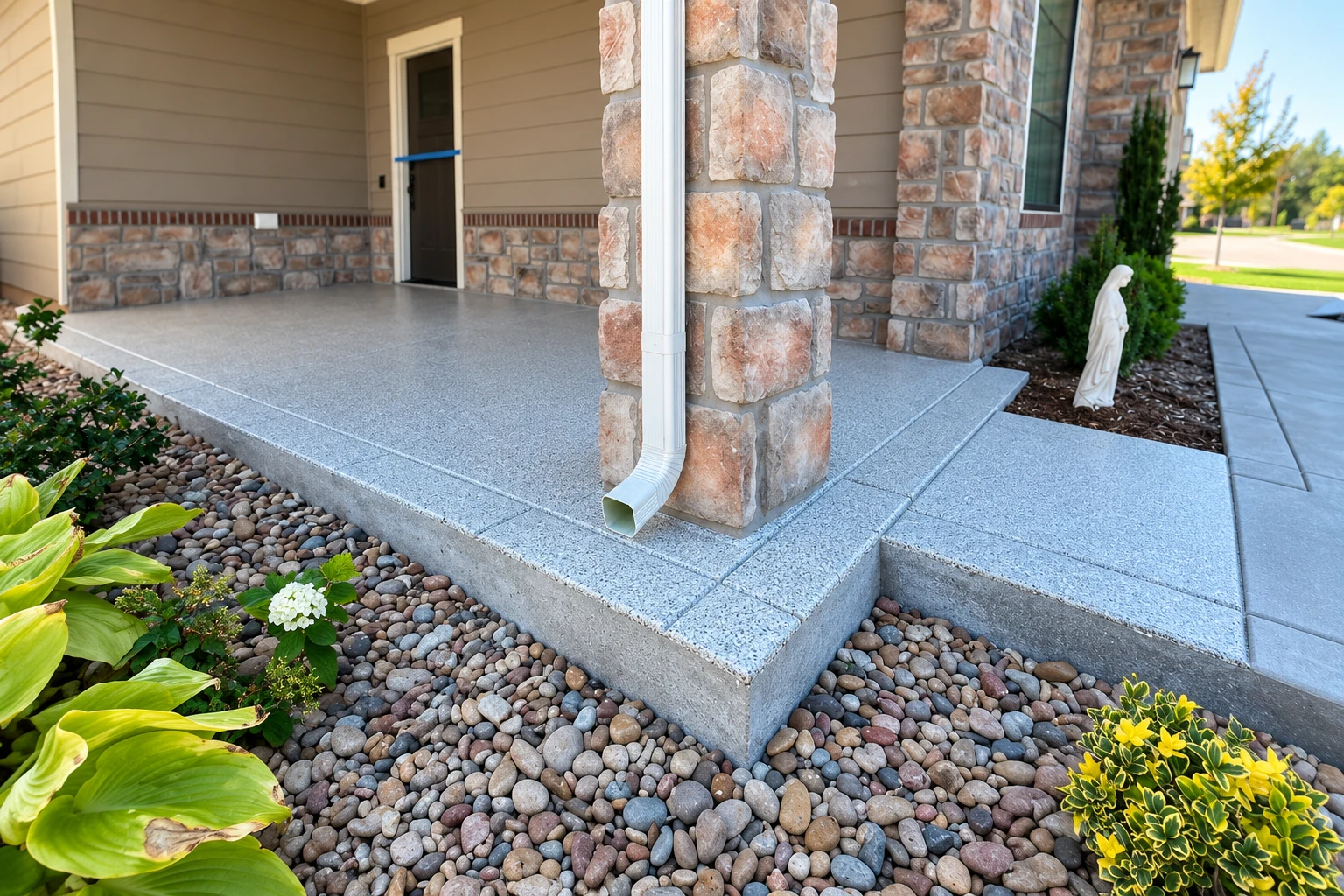
We replace walkways that have heaved or sunk into trip edges, and on a slope we step or ramp them so the path stays easy to walk when it's wet.
When a garage floor is cracked, stained or sloping the wrong way, we break it out and pour a new one that drains toward the door, not the house.
Color, exposed stone and saw-cut patterns let a front walk or patio match the house. We go over the options at the estimate, along with what each one adds to the cost.
Hillside yards here lean on retaining walls to hold back soil. We build them on proper footings, the wider concrete base underneath, with drainage behind so water pressure doesn't build up.
For workshops, additions and storage rooms, we pour interior floors flat and level, with a vapor barrier under the slab where it's needed to keep ground moisture out.
A pool deck has to drain away from the pool and the house. We pick a textured finish that grips under wet feet and stays comfortable enough to walk on barefoot.
Front entries on sloped lots often need several steps. We form each one to the same height, with rebar, steel bars inside the concrete, so the steps hold together as one piece.
For an addition, a garage or an accessory unit, we pour the slab the walls sit on, setting forms, rebar and plumbing sleeves to the plans before the concrete arrives.
We dig and pour foundations for new rooms and outbuildings, built to the approved plans. On a hillside lot, the digging is often the bigger part of the job.
For churches, offices and apartment buildings, we pour lots thick enough for the traffic they carry, sloped to the drains, with joints laid out before the pour.
Footings are the buried concrete under a wall or patio cover. We dig them to the depth the plans call for, because a shallow footing is where walls start to lean.
When part of a house or slab has settled, we look at why first. Raising it without fixing the cause, often water or a soft base, just buys time.
We saw-cut openings, trenches for new lines and clean edges where a damaged section comes out, so the concrete you keep isn't cracked by a jackhammer.
Send the form and we'll get back to you within one business day to set a time. I come out, look at the job and write a free estimate, with no obligation to book.
You get the estimate on paper, with what's included and what isn't spelled out, so you're not guessing what a line covers or finding out about a base repair later.
I started on the sales side writing up driveways, then moved onto the crew. A crew lead and our crew pour your job, and I stop by while it's going.
We're licensed and insured, and our work is backed by our satisfaction guarantee. We've been pouring concrete from our base in Chino Hills since 2023.
These are the permit, inspection and license questions Diamond Bar homeowners ask before a concrete job, answered from what the city says.
That's a question for the city's Building and Safety Division, which issues building permits for work that builds, changes, removes or repairs structures in Diamond Bar. If we're not sure about your driveway or patio, we check with that office before we start, and if a permit is needed, we file it and set up the inspections.
In most cases a retaining wall needs no building permit if it's three feet or less, measured from the bottom of the footing to the top of the wall, the city's Planning Division says. The buried footing counts, so measure from there. A freestanding garden wall needs no building permit either, but it does need a Zoning Clearance, a quick over-the-counter approval from that division.
Call the city's inspection hotline at 909-839-7027 at least the day before, and leave the project address, permit number and type of inspection. Inspections run Monday through Thursday, 9 a.m. to 5 p.m., except holidays. On jobs where we pull the permit, we set up the inspections ourselves so they line up with the pour.
Yes. Diamond Bar requires a business license for anyone doing work inside city limits, contractors included, even with no office in the city. Applications are handled online, and the Planning Division takes questions at 909-839-7030, so it's fair to ask any contractor you're considering whether they have one, us included.
We break it out and haul it away, following the city's debris rules. Projects of 1,000 square feet or more must recycle, reuse or divert at least 75% of their waste, jobs that make heavy debris need a city special collection permit and a rented roll-off bin, and jobs removing large amounts also need an encroachment permit from Public Works. We sort out the haul-off before demo day.
Each city below has its own page about the concrete work we do there. If your city isn't on the list, call (909) 308-0181 and ask.
We pick up until 10 PM on weeknights and from 6 AM on weekends, so call (909) 308-0181 or send the form after work.